














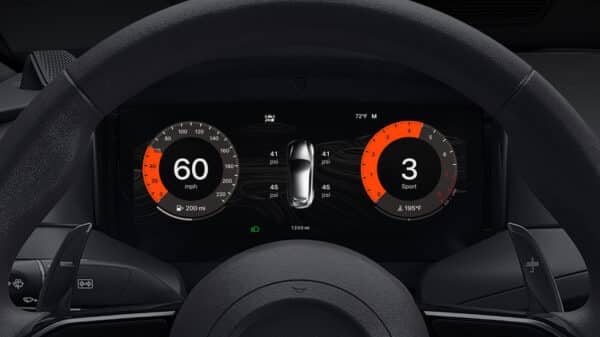

Needing advanced tools to perform basic maintenance isn’t limited to Hyundai, but our investigation led us to focus on the specifics regarding this automaker.
Understanding Brake Pad Replacement in Modern Cars
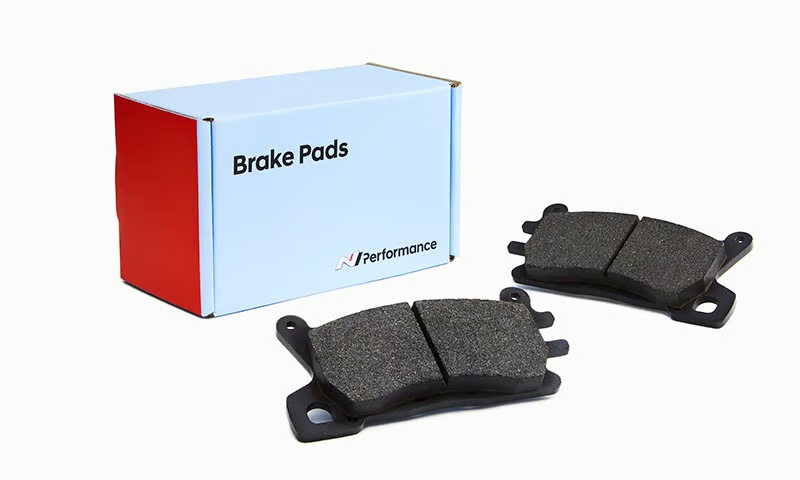
Brake pad and rotor replacements are fundamental aspects of vehicle maintenance. Although electric vehicles (EVs) like the Ioniq 5 enjoy longer intervals between such services, brake components do eventually wear out. Typically, replacing brake pads requires work on the parking brake system, which in modern models—especially EVs—operates through electronic signals instead of manual mechanisms. This is the source of frustration for many owners, as seen in the Reddit discussion.
It is worth noting that while basic OBD scanners can connect with many vehicles, they may not provide the necessary bi-directional commands for tasks like retracting electronic parking brakes. This point is crucial for the maintenance conversation around cutting-edge cars.
The Challenges of DIY Maintenance
Unfortunately, basic diagnostic tools fell short for the Reddit user attempting to service their Ioniq 5 N. They found themselves navigating through a series of commercial-grade equipment searches, culminating in unsuccessful attempts to gain access to essential repair functionalities.
To communicate with Hyundai vehicles, one must utilize proprietary tools provided by the manufacturer or compatible third-party systems that adhere to the J2534 interface standard. Though J2534 aims to facilitate communication among various makes and models, the fact remains that obtaining the right tools can be cost-prohibitive. Hyundai offers diagnostic equipment for purchase, but it often exceeds $6,000, raising questions about accessibility for the average consumer.
Regulation and Repair Accessibility
Hyundai recommends several specific machines for J2534 connections, each with a price tag around $2,000. Additionally, a subscription to Hyundai’s diagnostic software is required, which adds another layer of expense. Even after investing in these tools, the ability to perform vital functions remains limited to certified mechanics due to security regulations set forth by the National Automotive Service Task Force (NASTF). As a result, independent DIYers find themselves restricted from performing even straightforward repairs like brake pad replacements.
While it is essential to maintain security around vehicle data and sensitive repairs, the existing system presents a significant roadblock for individual mechanics and car enthusiasts who wish to maintain their own vehicles.
A Call for Change
Despite the regulations in place, many consumers are questioning the ethics of requiring expensive tools and credentials to perform routine maintenance on their own vehicles. The long-held expectation that drivers should be able to service their own cars seems to be under threat as technology evolves.
Our discussions with Hyundai revealed their commitment to make maintenance more accessible while balancing safety and security concerns. They acknowledge the growing interest in DIY repairs and are working towards solutions that could provide customers with a more feasible path to managing their car maintenance.
The situation highlighted by the Reddit user serves as a case study that underscores the need for a reevaluation of how automotive manufacturers support their customers in maintaining their vehicles. While technology has its place in enhancing vehicle safety and functions, it shouldn’t come at the cost of accessibility for everyday vehicle maintenance.