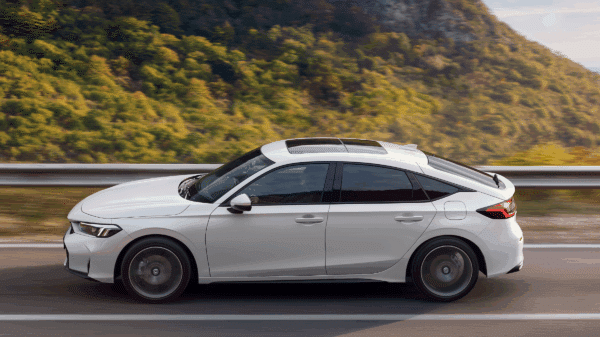








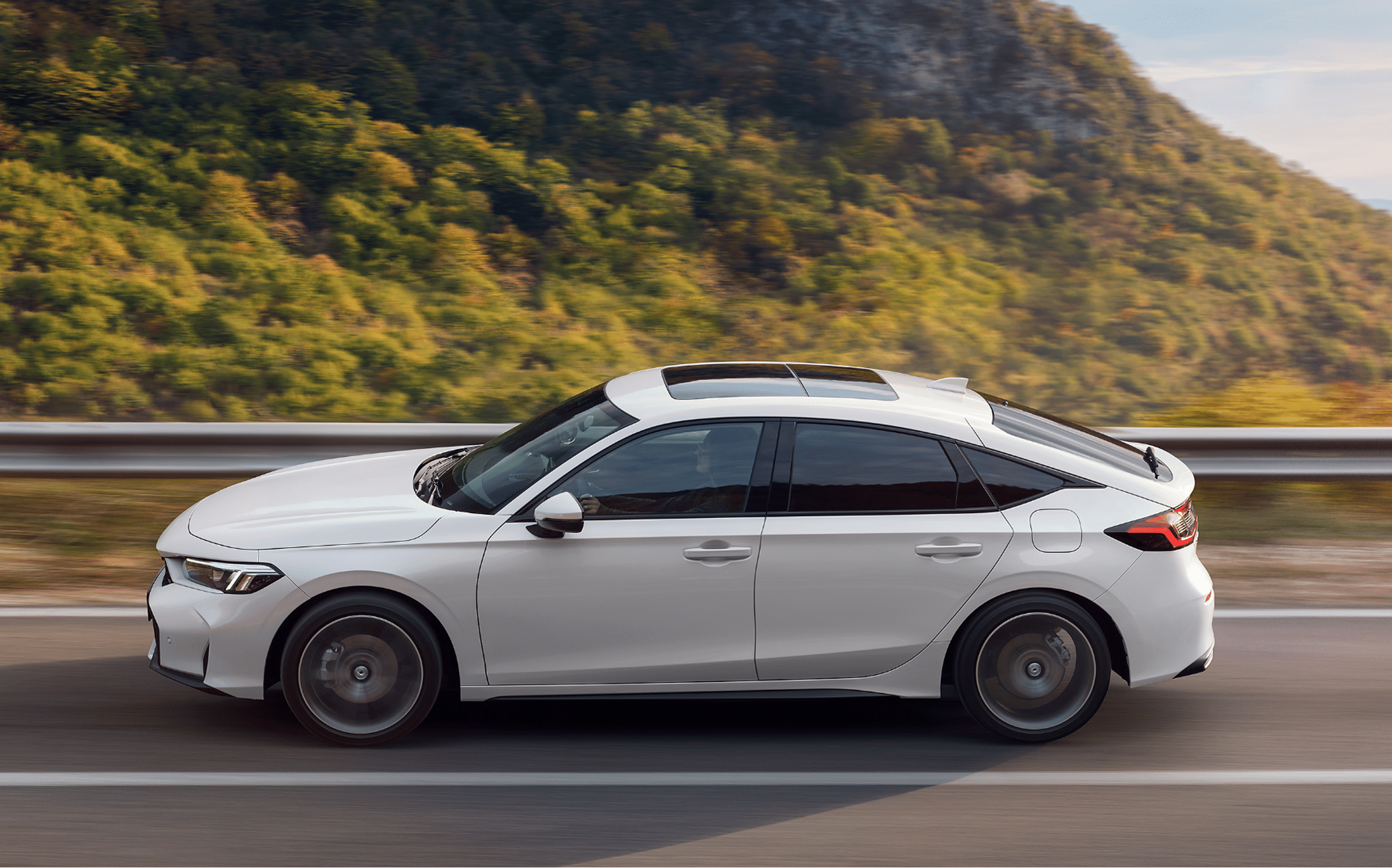
During a visit to Honda’s R&D center in Tochigi, Japan, I had the opportunity to drive a camouflaged prototype of the upcoming Honda Civic Hybrid. The four laps around the track revealed significant advancements on the horizon.
The Next-Gen Powertrain
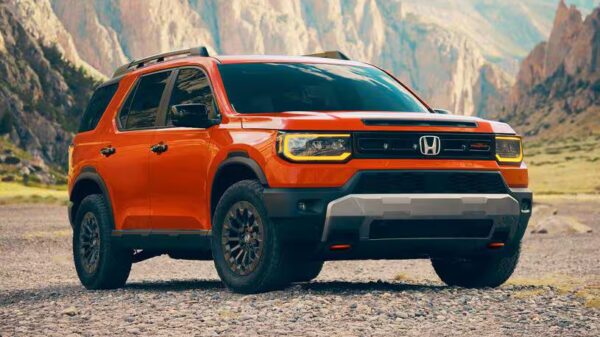
Honda refers to this hybrid powertrain as its fifth-generation system, though it’s essentially an evolution of the current robust fourth-generation setup. This system will likely be integrated across various models, including the new Civic, CR-V, and Accord.
The powertrain combines a naturally aspirated gas engine with two electric motors and a battery pack, providing drive to the front wheels. The CR-V variant will also include a third electric motor for all-wheel drive functionality. This innovative arrangement eliminates the need for a traditional transmission. In low-speed conditions, electric motors dictate the power delivery; as speeds rise with steady throttle, the gas engine engages for enhanced efficiency. During heavy acceleration, the gas engine activates to boost the electric motors, making it both a series and parallel hybrid system.
Efficiency and Design
While Honda hasn’t yet disclosed specifics about power output or fuel efficiency, they anticipate a combined improvement of 1.3 mpg in the U.S. CR-V Hybrid model. The gas engine boasts a 30% increase in high-efficiency range compared to prior models. Furthermore, the electric components have been reconfigured to optimize cabin space. However, the prototype’s full interior is currently obscured by camouflage, leaving its spatial advantages unseen.
Honda aims to reduce the car’s weight by 180 to 200 pounds, thanks to a new modular platform. This design reprioritizes structural reinforcement points to enhance rigidity, allowing the vehicle to handle corners with agility while maintaining a stable cabin.
Performance Insights
Aesthetically, the prototype features bulging fenders and a modified nose meant to deter prying eyes. The rear showcases dual chrome exhaust tips, resembling the current Civic Hybrid.
Inside, the cabin is enveloped in black camouflage, leaving many details undisclosed. My test involved four laps in Sport mode with an advanced S+ shift logic that also makes its debut in the Prelude.
As I gracefully exited the paddock, the silent engine engagement produced a gentle sound reminding me of the current Civic Hybrid. Upon hitting the track, the gas engine roared to life, delivering a surprisingly satisfying auditory experience.
A Dynamic Driving Experience
Pushing the prototype to its limits unveiled its potential. The S+ shift logic kept the engine at optimal revs, simulating rapid downshifts that contributed to a lively driving experience. While the sound system amplified parts of the engine noise, the overall performance felt akin to that of a Civic Si, impressing with its off-the-line responsiveness and cornering capability. Though the Civic Hybrid prototype exhibited slightly slower performance than the Prelude, it hinted at future enhancements aiming for the rewarding experience associated with the Si.
Despite the exterior’s innovative design, the handling felt nimble, reflecting a well-thought-out engineering approach.
As I concluded my laps, the engine seamlessly shut off, restoring a serene atmosphere, highlighting the successful integration of hybrid technology.
Sound Matters
A primary takeaway from the driving experience was the sound profile of the prototype. Unlike the Prelude, which is built for quiet performance, the Civic Hybrid is designed to be sporty, audibly engaging at full throttle. According to Ito Koji, the development manager, the Civic is intended to be a vibrant midsize hybrid.
Excitingly, we’re just a couple of years away from experiencing the production models of the next-generation Civic Hybrid and CR-V Hybrid. While concrete details on performance and efficiency are pending, one thing is abundantly clear: Honda is committed to creating a hybrid driving experience that enthusiasts will enjoy.