


















The Evolution of In-Car Technology: Apple CarPlay Ultra and Its Implications
In today’s automotive landscape, technology has become an integral part of the driving experience. Apple CarPlay and its rival, Android Auto, have emerged as pivotal solutions that enhance infotainment beyond traditional systems. With the release of CarPlay Ultra, the landscape is shifting once again, raising critical questions for car manufacturers about their control over vehicle environments and user experiences.
A Surge in Consumer Preference for Smartphone Integration
The current trends among consumers reflect a clear preference for smartphone-based infotainment systems. A significant portion of car buyers now prioritize options like Apple CarPlay, with a 2024 J.D. Power survey highlighting that factory-installed systems often fall short in user satisfaction. The same survey indicates that systems like CarPlay and Android Auto consistently garner higher acclaim from users, revealing a demand that automakers cannot ignore.
Furthermore, a 2023 survey from McKinsey underlines this trend; nearly half of respondents indicated they would only consider vehicles that incorporate CarPlay or Android Auto. This data illustrates an undeniable shift in consumer expectations about in-car technology—preferences that manufacturers need to take into account as they design new models.
The Intricacies of CarPlay Ultra
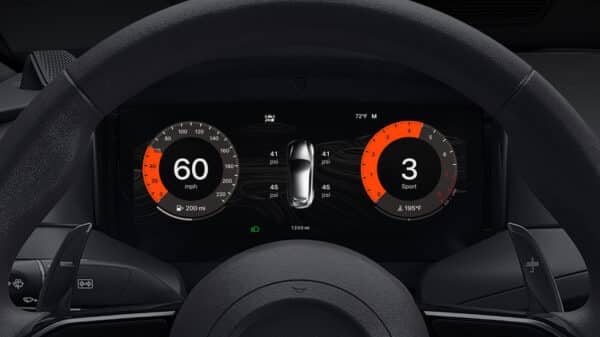
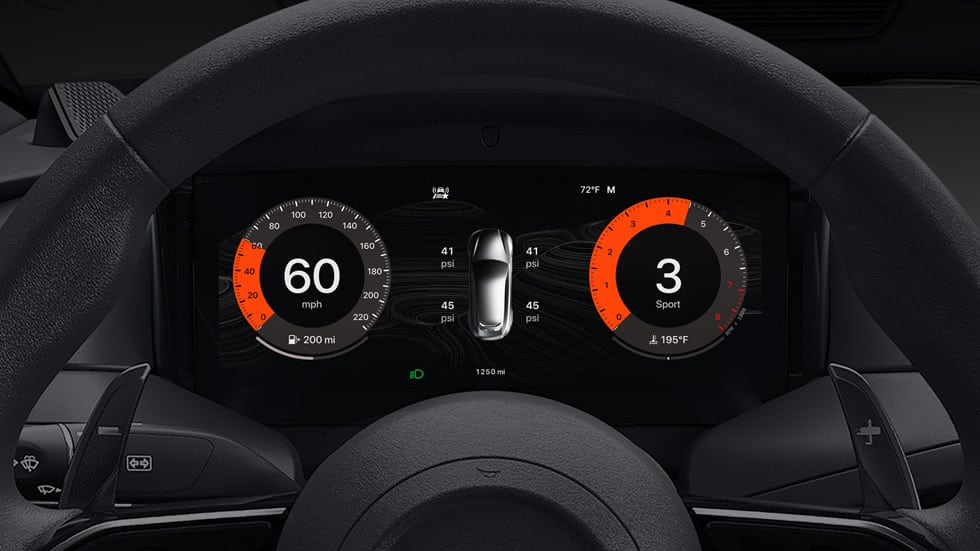
CarPlay Ultra is not just an enhancement; it represents a significant evolution in how users will interact with their vehicle’s interface. Unlike traditional infotainment displays, CarPlay Ultra aims to envelop the entire dashboard, making Apple’s aesthetics dominant throughout. This means that everything from the instrument cluster to other controls can now reflect the Apple design philosophy, creating a more cohesive and immersive experience.
For automakers, this shift poses considerable challenges. Manufacturers have invested heavily in creating unique, proprietary systems designed to resonate with their brand identity. Yet with the encroachment of Apple’s influence through CarPlay Ultra, questions arise regarding how much of that creative investment may be undermined.
Balancing Control and Customization
Automakers have, for a long time, enjoyed considerable leeway in designing their infotainment systems. They’ve created a brand identity through graphics, animations, and user interfaces. However, the introduction of CarPlay Ultra introduces complexities in balancing that creative freedom with Apple’s structured limitations.
While CarPlay Ultra allows for some degree of customization in font, gauge design, and overall aesthetics, these options exist within specific constraints dictated by Apple. This brings forth a conundrum for manufacturers: how do they retain their unique branding while adopting an interface that is fundamentally controlled by another company?
Personalization Meets Limitation
Amid these challenges, CarPlay Ultra introduces an innovative aspect with its modular capabilities. Drivers can customize their dashboard elements, arranging them in a manner best suited to their driving habits. However, this flexibility must be navigated carefully—while it offers personalization, it also operates within a restrictively curated design framework.
Such constraints can seem limiting, especially when considering the creative ambitions manufacturers have in mind. The desire for a unique user experience may clash with the reality of conforming to Apple’s design language and guidelines.
Looking Ahead: The Future of Infotainment in the Automotive Industry
As the automotive world embraces this new era with CarPlay Ultra, the battle between user preference and manufacturer identity continues. Consumers increasingly favor the seamless integration of familiar interfaces in their vehicles, leaving automakers to evaluate their strategies critically. The future is likely to see a unique blend between enhancing user experience while maintaining brand identity, as manufacturers work to find innovative solutions that satisfy both parties.
In summary, as CarPlay Ultra gains traction, automakers need to consider their approach to technology. The onus is on them to create an experience that reflects their brand while accommodating consumer preferences for smartphone-centric interfaces. The ongoing dialogue between tech-savvy users and traditional automotive producers will shape the future of driving in exciting ways. How can manufacturers innovate within these constraints? The coming years are sure to unveil intriguing answers.## The Shifting Dynamics of In-Car Technology: Apple and the Automakers
In recent years, the integration of smartphone interfaces like Apple CarPlay and Android Auto into vehicles has revolutionized the in-car experience. Drivers often find themselves torn between the familiar usability of these platforms and the proprietary systems that car manufacturers traditionally offered. The emergence of Apple CarPlay Ultra adds another layer of complexity to this evolving landscape.
The Standardization Dilemma
Apple’s approach aims for a cohesive user experience across various vehicle manufacturers, limiting how much can be customized. This raises a pertinent question: When rearranging preset elements, can a design truly be considered original? For many drivers, the allure of Apple’s minimalist design may overshadow the intricate craftsmanship of automaker interfaces. Consequently, manufacturers might find themselves ceding control over their dashboard designs to the tech giant, thereby redefining brand identity altogether.
Data Ownership: The New Currency
Another critical consideration is the ownership of data. While assuming control of interfaces, companies like Toyota express hesitance to fully integrate platforms like CarPlay and Android Auto due to concerns over data privacy and ownership. The insights derived from user data, even when anonymized, represent significant value in a digitized market. This context sheds light on why General Motors opted out of CarPlay and Android Auto, seeking instead to maintain control over consumer data and the monetization it affords.
Apple’s Position on Privacy
In their pitch for CarPlay Ultra, Apple emphasizes that data sharing occurs mainly through users’ smartphones, promoting a privacy-centric approach. Yet, the system still serves as a conduit between user commands and vehicle functions, allowing automakers to monitor key interactions within the car. While features within the CarPlay environment may preserve a level of privacy, actions affecting the vehicle’s performance—like temperature adjustments—remain trackable.
The current landscape promises a continual evolution of data sharing agreements, necessitating that drivers scrutinize what they trade off for convenience. A balance must be struck between an enhanced driving experience and protecting personal data.
The Shift Towards Familiar Interfaces
For many consumers, the convenience of smartphone-based systems is hard to resist. They simplify driving experiences at no additional data cost, leveraging existing smartphone data plans rather than mandating separate subscriptions for automaker-installed software. The appeal is evident: a seamless connection without the burden of extra billing cycles.
As a result, drivers increasingly favor these integrations, posing a substantial challenge to traditional automakers. Companies like General Motors have ambitious targets, with a projected revenue of $25 billion from connected services by the decade’s end. However, consumer preference for platforms like CarPlay and Android Auto could threaten these financial aspirations if not addressed.
The Revenue Conundrum for Automakers
Historically, automakers exercised complete control over vehicle interiors and interactions. The advent of Apple CarPlay not only introduced a better user interface but also spurred drivers to abandon clunky native systems in favor of something they were accustomed to. What was once a mere upgrade has morphed into an indispensable feature, with almost half of car buyers now devoting more attention to smartphone interfaces than native software.
This consumer shift exposes a dual-edged sword for manufacturers. While they have opportunities to market software features, they must also grapple with distinguishing themselves in an arena dominated by tech titans like Apple and Google.
The Compelling Case for Adaptation
For loyal Apple users, CarPlay offers a user-friendly environment; however, for automakers, this evolving interplay signals a serious reckoning. Google is not remaining static, and advancements in Android Auto further complicate the landscape. The result? A pressing call for car manufacturers to rethink their strategies and possibly relinquish some control over the user experience.
As consumer desirability for smartphone-centric interfaces grows, automakers are at a crossroads. Adapting to these emerging trends may dictate their survival in a rapidly digitalized future. For now, drivers can relish the conveniences of these technologies, but it’s evident that the automotive industry must heed the shifting balance of power if it hopes to thrive.
Conclusion
The intersection of technology and traditional automotive design creates a fascinating dialogue about user experience and data privacy. As Apple CarPlay Ultra and similar technologies become further integrated into our vehicles, the future will likely see wholesale changes in how drivers interact with their cars. For automakers, the imperative is clear: innovation and adaptability are vital for remaining relevant in an increasingly tech-driven marketplace.
Image Source: Apple.com