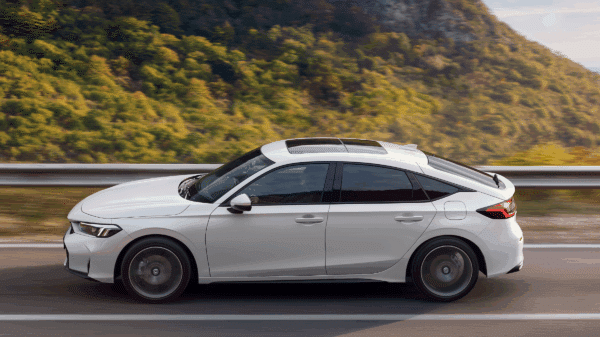
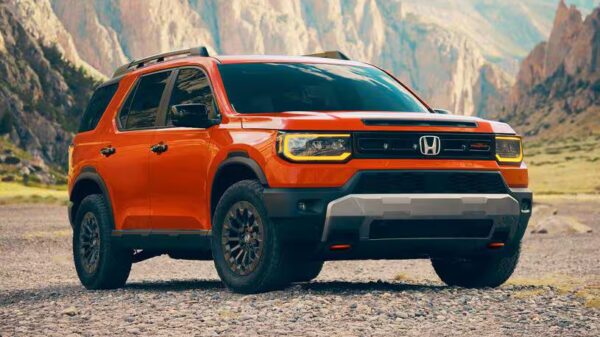
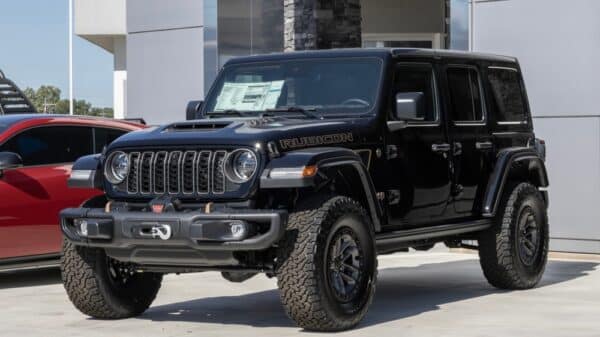
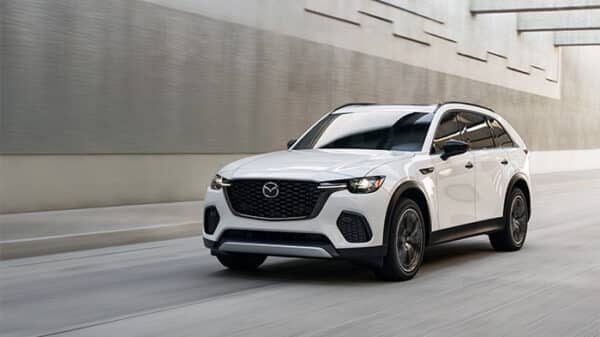
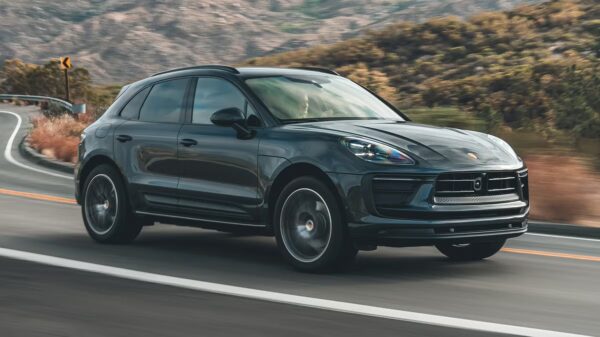





You hear it all the time: the obesity epidemic isn’t just affecting humans anymore. Vehicles—especially electric ones—are becoming increasingly oversized, raising concerns about their impact on our infrastructure. Recently, a dramatic video showcasing a 7,173-pound Rivian R1T crashing through a highway safety barrier went viral. It’s no surprise that discussions quickly zeroed in on its massive weight. But is that really the entire story? Not quite, and that’s where things get interesting.
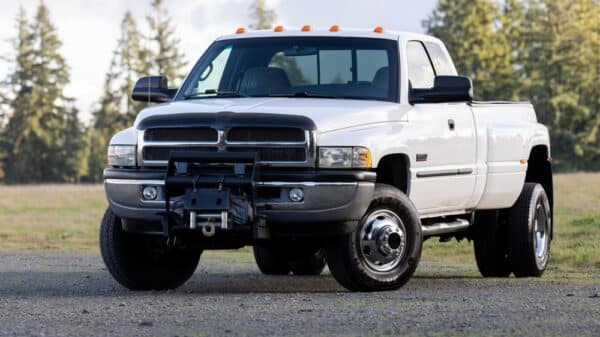
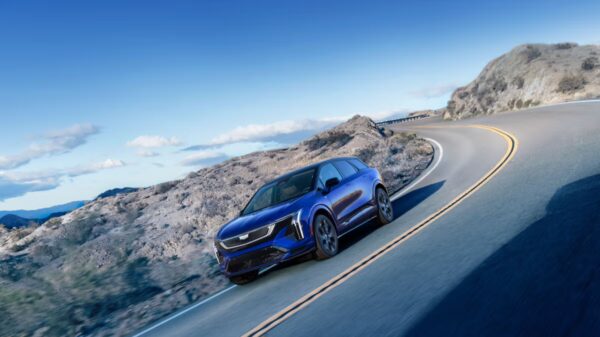
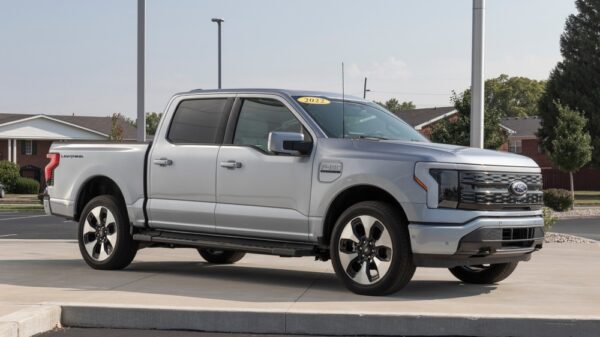
Sure, it’s true that cars are getting heavier, but it’s not as straightforward as you might think. In fact, many trucks and SUVs from today aren’t significantly bulkier than their counterparts from decades past. Big EVs like the Rivian R1T, GMC Hummer EV, and Tesla Cybertruck are indeed hefty, but they fall within a similar range as some highly-equipped heavy-duty pickups. For instance, the Ford F-350 Platinum I drove a few months back tipped the scales at around 7,600 pounds—so what gives? If weight isn’t the sole culprit, why is it so challenging to create a standard guardrail that can handle these vehicles?
Experts in the field have a clear answer: the issue is twofold. First off, while the average passenger car isn’t getting much heavier, the increasing prevalence of larger trucks skews the data. This makes it tougher to design a single barrier that can accommodate all vehicles effectively.
Cody Stolle, assistant director at the Midwest Roadside Safety Facility at the University of Nebraska-Lincoln, explains that testing typically involves vehicles weighing between 2,400 pounds (like subcompacts) to around 5,000 pounds (like full-sized pickups). When you get to vehicles exceeding 7,000 pounds, you’re stepping into outlier territory. As highlighted by The Drive’s Editor-in-Chief Kyle Cheromcha in a recent video, drivers of heavy-duty pickups face similar challenges on the roadway.
But let’s unpack the second part of the problem, which is particularly pertinent for EVs. Barriers are designed to absorb impact energy where a vehicle’s mass is mostly concentrated—its center of mass. Traditional gasoline-powered cars have relatively tall engines, placing that mass higher up. In contrast, most electric vehicles store their battery packs flat against the floor, significantly lowering the center of mass. This is clearly illustrated in a test involving a Tesla Model 3, which nearly slipped right under the intended impact rail, instead of being captured as designed.
Furthermore, we can’t overlook the fact that engineers aren’t just designing for the sleek, new models pouring off assembly lines. The average age of the vehicles on American roads is rising, which means the variability between older and newer cars poses new challenges for safety experts working to keep everyone protected.
If you want to dive deeper into these insights, you can check out the full video on our YouTube channel. Understanding these nuances helps us grasp the complexities of automotive safety in an ever-evolving landscape. Your vehicle may be one of many, but knowing the science behind road safety can make you feel a little more secure—no matter what you’re driving.
Image Source: Unsplash