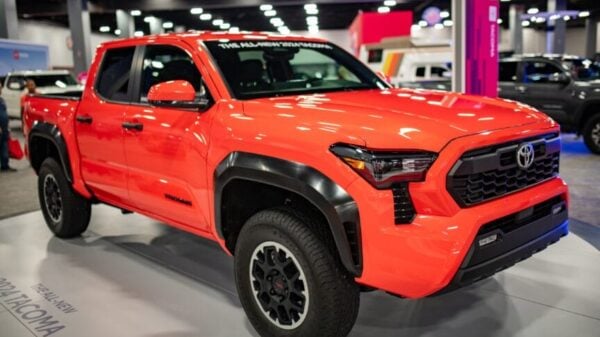
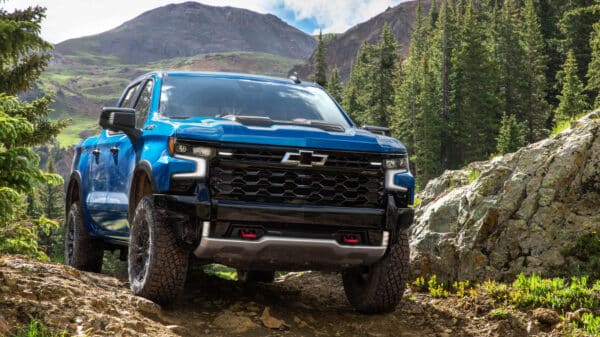
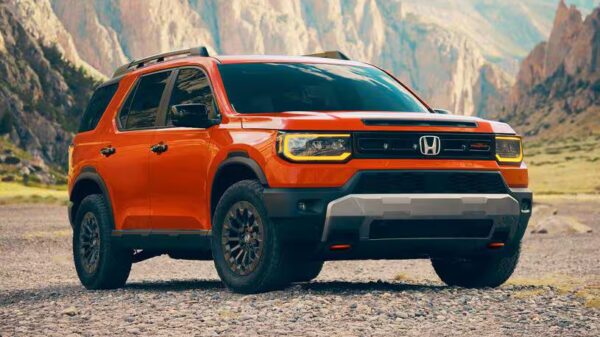
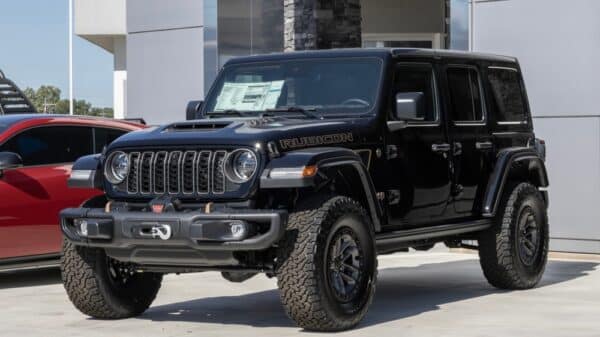






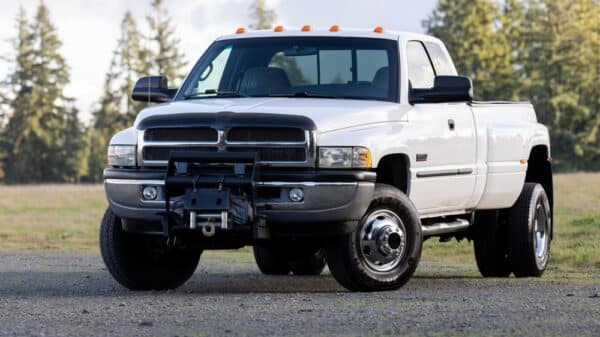
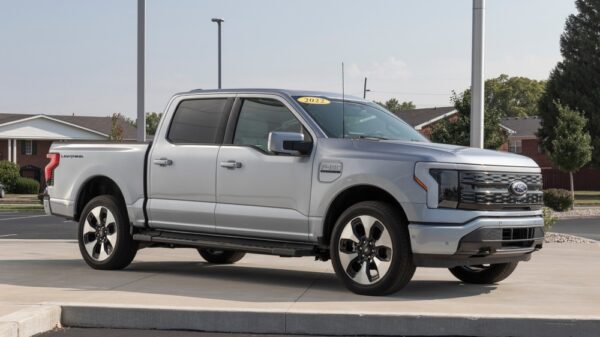



In America, pickup trucks are more than a mode of transportation; they represent a cultural cornerstone. Their presence is so pervasive that they even show up in the lyrics of country music, a genre intrinsically tied to American identity. The prevalence of trucks in country songs isn’t merely incidental but symbolizes a deep-rooted connection to rural life and personal identity. Exploring how this love affair with trucks began opens up a fascinating dialogue about what these vehicles mean to both artists and their listeners.
Modern artists, like Hardy and Lainey Wilson, have capitalized on this trend, with songs titled “Truck,” “Truck Bed,” and “Wait in the Truck.” Their hits essentially serve as a parade of musical homages to pickups, but they stand on the shoulders of giants. Classic tracks like Tim McGraw’s “Truck Yeah” and Rhett Akins’ “That Ain’t My Truck” illustrate that this fascination isn’t a recent phenomenon. It has deep historical roots within the genre, representing a cultural and emotional narrative rather than mere commercialism.
Pickup Trucks: A Symbol of Identity
To comprehend the significance of pickup trucks in country music, one must delve into the relationship between music and identity. Country music encapsulates a variety of American experiences, predominantly reflecting the lives of rural folks who hold a deep respect for hard work and tradition. Dr. Jocelyn Neal from UNC highlights that the frequency of truck references surged during the “southernization” movement of the early 1990s. The imagery of driving a pickup truck started to signify southern masculinity, independence, and authenticity.
As Neal elaborates, mentioning a pickup truck is not merely about the vehicle; it signifies a connection to one’s roots, agrarian history, and personal identity. This is further illustrated in Garth Brooks’ timeless hit “Ain’t Goin’ Down (’til the Sun Comes Up),” where the metaphor of traveling the world in a pickup truck encapsulates a universal identity that resonates with many listeners.
Brooks’ success, marked by over ten million albums sold, demonstrates the emotional weight of such imagery, making it clear that the truck is more than a vehicle—it’s a vessel of personal history and experience.
As country music flourished through the 1990s, a resurgence of working-class consciousness took root. The attacks on September 11th catalyzed a newfound prominence of blue-collar identities within the genre, intertwining current events and personal narratives with the cultural significance of pickup trucks. The images of patriotism blended seamlessly with the rugged appeal of trucks, ensuring that they remained a staple in the lyrics and hearts of many. Artists like Toby Keith capitalized on this trend, merging themes of national pride and personal experiences tied to these iconic vehicles.
A People on the Move
Moreover, country music has long been the soundtrack for those on the move. As America transitioned from a predominantly rural society to an urban-centric population throughout the 20th century, the yearning for simpler, agrarian life became manifest in musical expressions. The country genre often grapples with nostalgia for a bygone era while simultaneously representing contemporary struggles. This duality enhances the connection between the music and the vehicles mentioned within it.
Past references to trains and semi-trucks in earlier country songs embody the pioneering spirit and self-made success that has historically pervaded American culture. As trucks gained prominence in the genre, their meanings evolved to embody personal ownership and pride, making them a staple of the country music narrative.
The Hillbilly Highway and Other Time-Tested Tropes
Country music is rife with enduring tropes, which can be traced back to core themes of home and rambling. According to country music scholar Bill Malone, these themes reflect the desires and experiences of those who have longed for their roots or sought new horizons. The tradespeople and families who moved for better opportunities mirrored the struggles of individuals who fantasized about escaping rural limitations.
The cowboy figure has also been pivotal in shaping the iconography of country music. This portrayal emphasizes themes of freedom and self-determination—values that resonate deeply with listeners. In contemporary narratives, truckers are seen as modern avatars of the cowboy: independent, self-governed, and determined. This connection fosters an environment where ownership of a pickup truck aligns listeners with the rugged, individualist ethos celebrated in country music.
Simply Put, It’s Not So Simple
Ultimately, the intersection of country music and pickup trucks represents a complex tapestry woven throughout decades of sociocultural evolution. Being an insider or outsider significantly influences one’s interpretation of the genre. Those familiar with its contextual nuances may find deeper meanings in the lyrics, while those removed may perceive them as simplistic or cliché. Understanding this duality reveals how the cultural significance of pickup trucks transcends mere song lyrics, anchoring their role within a larger narrative about identity, experience, and belonging.
As this love affair with trucks persists in modern country music, it serves as a reminder that these vehicles are more than objects; they encapsulate the values, emotions, and overarching stories that define a significant portion of American life.