





As Tesla gears up to launch its much-anticipated robotaxis in San Francisco, recent developments suggest that the timeline could be more accelerated than many initially expected. According to a report from Business Insider, the automaker is mobilizing its local workforce in anticipation of a debut—reportedly as soon as today—despite lacking the necessary state approvals for autonomous operation with passengers.
The Complex Path to Approval
Currently, Tesla faces regulatory hurdles. In California, ride-hailing services not authorized for driverless operation must provide human chaperones for their automated vehicles. This means that if the service launches as projected, it will not be fully autonomous. The situation highlights Tesla’s urgent need to navigate the complex regulatory landscape and secure the appropriate permits.
Interestingly, Tesla’s main competitor, Waymo, has already received approval for fully autonomous operations alongside GM’s Cruise. However, GM has since paused its San Francisco ride-hailing initiative, illustrating the challenges that even established players face in this rapidly evolving environment.
Regulatory Applications and Future Implications
Late last year, Tesla submitted an application for a permit that, if approved, would allow it to operate as a fully-fledged ride-hail service. This application notably included provisions for background checks and drug testing of drivers—indicative of the rigorous standards regulators are putting in place. Given the mixed results from the Tesla Full Self-Driving package, Elon Musk’s comments regarding driver safety raise eyebrows about the level of oversight needed for these vehicles.
Moreover, Musk recently indicated that Tesla is in talks to obtain regulatory permissions for driverless services across multiple states, including California. Yet, as of Wednesday, no application had been received by California regulators, underscoring the uncertainty surrounding Tesla’s ambitious plans.
Conclusion: The Road Ahead
While the prospect of Tesla’s robotaxis arriving in San Francisco is exciting, it underlines a critical reality: regulatory approval is a complex and ongoing process. Securing the right permits will not only allow Tesla to advance its technology but may also set the tone for the future of autonomous vehicles across the United States. As this situation unfolds, the outcome will undoubtedly influence the broader industry landscape and consumer confidence in driverless technologies.
In the fast-paced world of electric mobility, the race is on—not just for market share, but also for regulatory compliance. Only time will reveal whether Tesla can navigate these waters successfully or if it will have to follow in the footsteps of its competitors who have faltered along the way.
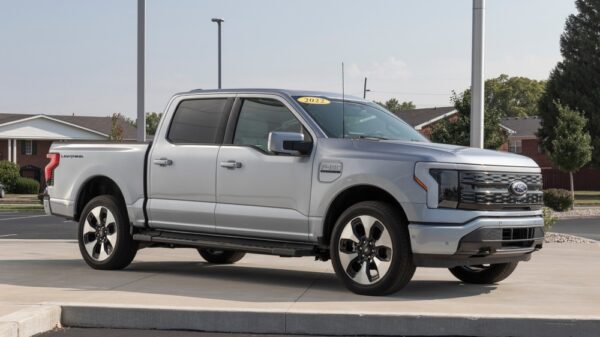
Image Source: Vitaliy Karimov / Shutterstock