








The consensus is clear: electric vehicles (EVs) generally present a greener alternative to traditional gasoline-powered cars. However, diving deeper reveals complexities, including variances in how eco-friendly these vehicles are based on their type and the region in which they operate. Climate conditions can heavily influence the efficiency of EVs, creating a stark contrast with internal combustion engine (ICE) vehicles, which typically perform uniformly across varying temperatures.
Recent findings from the University of Michigan shed light on these issues. Researchers conducted a thorough study that includes a calculator tool to assess the lifetime greenhouse gas emissions across multiple vehicle types and powertrains. This analysis spans the entire lifecycle of vehicles—covering manufacturing, usage, and disposal processes. The study breaks down the emissions originating from fuel production and electricity generation, giving consumers a more nuanced understanding of their vehicle’s environmental impact.
Interestingly, the emissions profile is significantly influenced by geographic location. For instance, if you analyze emissions in Bucks County, Pennsylvania, a standard compact ICE vehicle emits approximately 309 grams of carbon dioxide equivalent (gCO2e) for every mile driven. In comparison, a compact hybrid would emit 20% less, while a plug-in hybrid would see a reduction of 44%. A fully electric vehicle with a 200-mile range would dramatically cut emissions by 63%. Relocating to a place like Phoenix increases the benefits of EVs, leading to an impressive 79% decrease in carbon emissions for the same 200-mile electric vehicle.
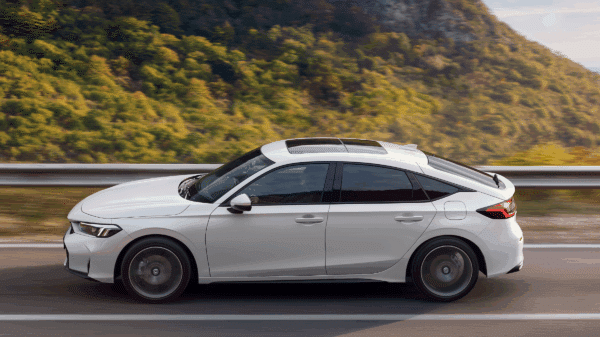
The research is particularly revealing when contrasting highly efficient ICE vehicles or mild hybrids with larger electric SUVs or trucks that come equipped with hefty batteries. Notably, the largest electric vehicles can still display outputs that are 71% less harmful than compact gasoline options over their lifecycle. For example, even a bulky 7,000-pound Rivian R1T emits significantly lower CO2 levels than a conventional Honda Civic, which raises eyebrows over conventional wisdom on vehicle emissions.
Moreover, the findings reveal that a midsize plug-in hybrid SUV with a 35-mile battery-only range shows comparable lifetime emissions to a fully electric truck boasting a 400-mile range. Given the popularity of pickup trucks in the U.S. market, the study also evaluates how well these trucks perform when carrying payloads. An electric truck transporting 2,500 pounds still churns out roughly 35% of the CO2 equivalent of a gas-powered truck with no cargo. On the downside, carrying weight negatively impacts an EV’s driving range more than it does an ICE vehicle’s efficiency.
With the ongoing shift towards sustainable transportation, understanding the full environmental impact of vehicles is increasingly crucial for consumers. The data provided by studies like the one from the University of Michigan empowers informed choices, highlighting not just the advantages of electric vehicles, but also the complexities associated with their use and manufacturing. As the automotive industry evolves, insights drawn from such research can guide consumers toward making choices that minimize their carbon footprints while still meeting their mobility needs.### The Advancements of Electric Vehicles: A Shift Towards Sustainability
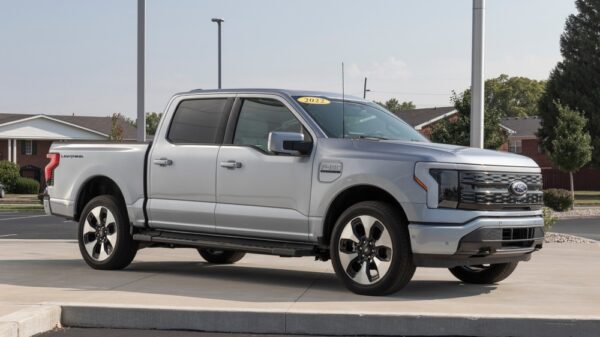
As the automobile industry evolves, one of the most significant changes lies in the shift from traditional internal combustion engine (ICE) vehicles to electric vehicles (EVs). With growing environmental concerns, the push for sustainability has never been more critical. The introduction of models like the Ford F-150 Lightning showcases how manufacturers are adapting to this demand.
Understanding the Environmental Impact
A recent study highlighted the stark differences in environmental impact between ICE vehicles and electric ones. It was emphasized that no matter the size or form factor, a vehicle powered solely by an internal combustion engine tends to be more harmful to the environment than its electric counterparts. This revelation is pivotal in understanding the larger narrative of automotive emissions and environmental sustainability.
While researchers acknowledge that various factors, such as charging times and grid load emissions, were not included in their analysis, the conclusion remains robust: EVs generally offer a lower lifetime emission footprint compared to ICE vehicles. This finding reinforces the need for consumers to consider electric options when making vehicle purchase decisions.
The Role of Vehicle Downsizing
While opting for smaller vehicles can reduce emissions, the study points out a more significant advantage with electrification. Powertrain electrification holds a greater potential for lifecycle emissions reduction, regardless of vehicle size. This means that transitioning to electric from petrol or diesel not only benefits the environment but also maximizes potential emission savings, rendering the vehicle size consideration somewhat secondary.
The Innovative Edge of Electric Vehicles
Automakers are increasingly embracing technological advancements in EVs, leading to improvements in performance, range, and efficiency. For instance, the Ford F-150 Lightning stands as a testament to how electric trucks can meet consumer demands while reducing ecological impact. Capable of towing and carrying substantial loads, the Lightning combines the utility expected from traditional pickups with the environmental benefits of electric technology.
Consumer Awareness and Decision-Making
As consumers become more aware of the environmental impacts of their vehicle choices, it’s crucial to consider not just the vehicle’s form factor but also the technology it employs. Electric vehicles support a move towards sustainable transportation, aligning with the growing demand for eco-friendly practices across various sectors. As the infrastructure for EVs expands, charging options improve, and performance continues to enhance, the decision to choose electric becomes more straightforward.
Conclusion
With the automotive landscape undergoing significant transformation, the benefits of electric vehicles extend far beyond reduced emissions. As consumers shift towards sustainability, understanding the impact of vehicle technology on the environment is essential. The future of transportation lies in electric mobility, exemplified by innovations like the Ford F-150 Lightning, paving the way for less harmful vehicular practices while catering to consumer needs effectively. Embracing this change is not only crucial for individual buyers but also vital for the planet.
Image Source: Unsplash