





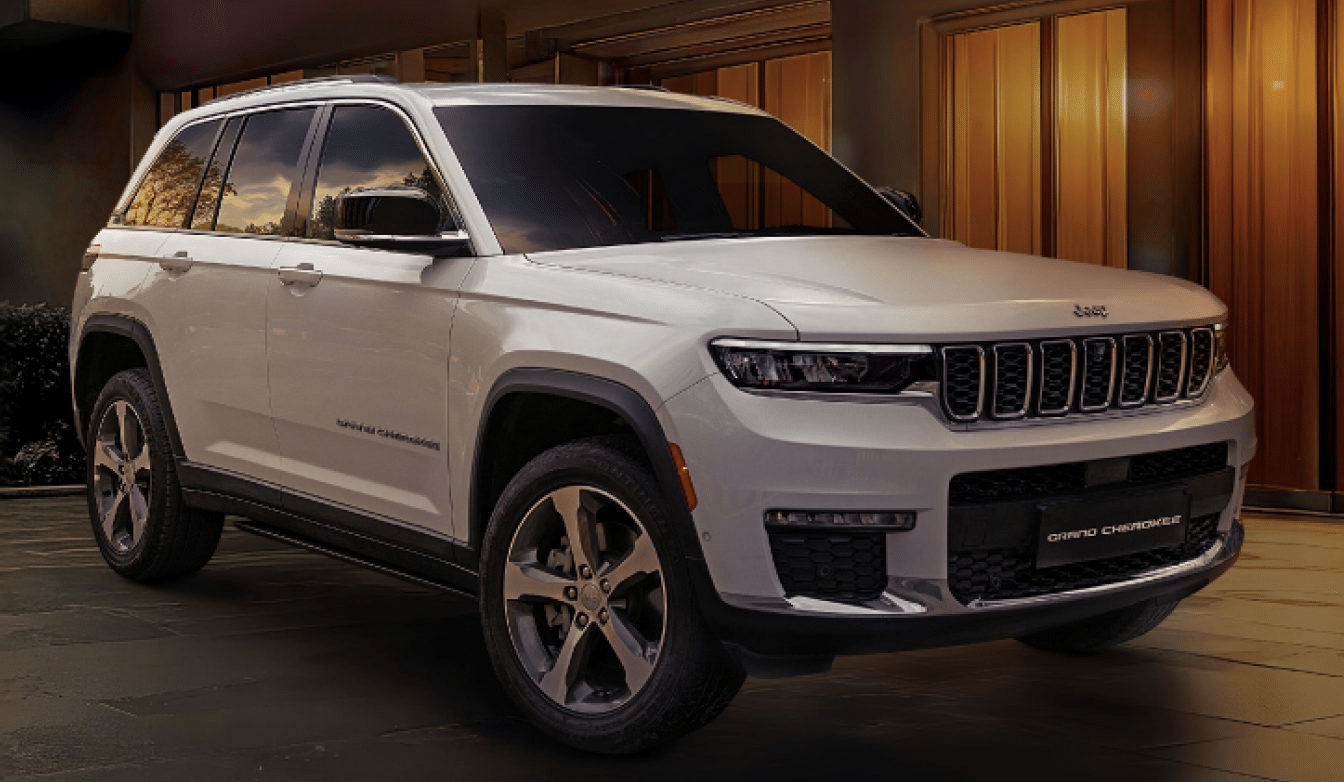
After taking a multi-year break, the Jeep Cherokee is poised to make a much-anticipated comeback in 2026. However, this return occurs in a vastly different automotive landscape, indicative of the transformation that both Jeep and the entire SUV market have undergone.
A Shifting Competitive Landscape
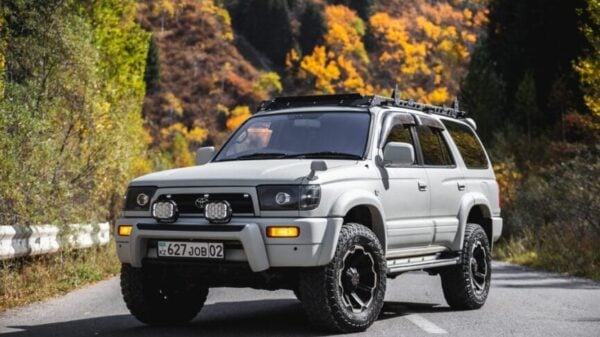
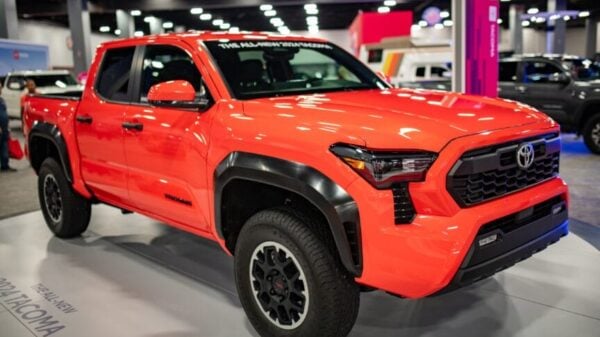
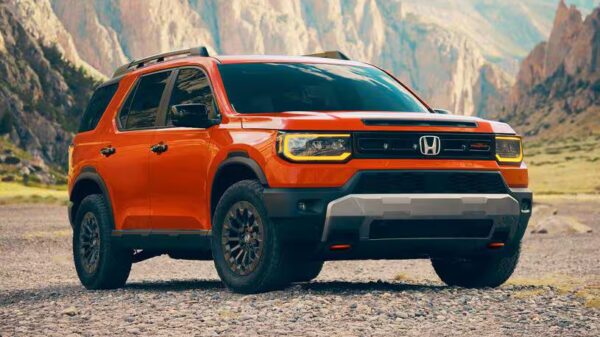
The re-emergence of the Cherokee comes against a backdrop of intensified competition in the mid-size SUV segment. No longer does it face off solely against older models; it must contend with robust contenders like Toyota’s new Land Cruiser and 4Runner, which have enhanced their off-road capabilities. Additionally, other brands like Subaru and Honda are stepping up their game in this category, making the competition more formidable than ever. Notably, Nissan is hinting at reviving the Xterra, further diversifying consumer options.
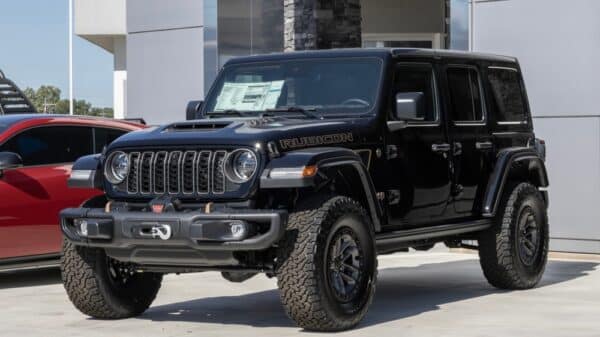
In a showroom filled with a plethora of SUVs, Jeep has found itself navigating a unique challenge. While their iconic models like the Wrangler and Gladiator draw attention, the Grand Cherokee and Compass tend to dominate sales. This shift illustrates a strategic pivot, emphasizing practicality over brand loyalty as consumers become increasingly price-aware in a fluctuating economy.
Strategic Relief for Dealers
The reintroduction of the Cherokee serves as a critical relief valve for Jeep dealers, who are now confronted with a market that demands more sensible pricing without sacrificing the brand’s rugged appeal. The new Cherokee, expected to be reasonably priced and mid-sized, offers a compelling option for buyers who want a blend of functionality and affordability.
Jeep’s approach aims not only to satisfy a broader audience but also to maintain its reputation for quality. As the automotive landscape evolves, Jeep recognizes that it must cater to a more diverse customer base, providing vehicles that are both aspirational and practical.
Emphasis on Off-Road Heritage
Despite the necessity for volume sales, Jeep CEO Bob Broderdorf has emphasized that the Cherokee will remain true to its roots. While conventional wisdom might suggest that more practical models could sacrifice excitement, Broderdorf assures consumers that even the base Cherokee will include core mechanical features designed for off-road adventures. This strategic commitment to 4×4 capabilities is a testament to Jeep’s heritage.
Broderdorf highlighted that while the Cherokee shares its platform with other midsize models, it won’t serve as a primary vehicle for electrification efforts. Instead, it will embrace traditional powertrains like an east-west four-cylinder hybrid setup. This choice reflects Jeep’s focus on maintaining robust performance while meeting modern drivability standards.
The Future of the Cherokee
Although the future looks promising, one question remains unanswered: When can consumers expect to see this new Cherokee on dealership lots? While there’s a palpable buzz surrounding its return, the exact timeline for launches and availability is still unclear. This ambiguity only fuels excitement and anticipation for Jeep enthusiasts and potential buyers alike.
Conclusion
The 2026 Jeep Cherokee signifies the intersection of modern automotive needs and traditional brand values. As it prepares to face an evolving marketplace, it will be intriguing to see how Jeep blends its legendary off-road heritage with contemporary design and functionality. The market may be saturated with SUVs, but there’s no denying that the Cherokee’s return holds the potential to carve out a significant niche for itself once again.
Image Source: Jeep-india.com