














The world of automotive journalism often finds professionals steeped in their shared passions—cars, racing, and engineering marvels. This environment can occasionally create a bubble, limiting exposure to perspectives from individuals who may not be as enthusiastic about vehicles. It’s here that the magic of curiosity lies, making it vital to engage with everyday drivers who may have a different relationship with cars.
Introducing the Ioniq 6 N at Goodwood
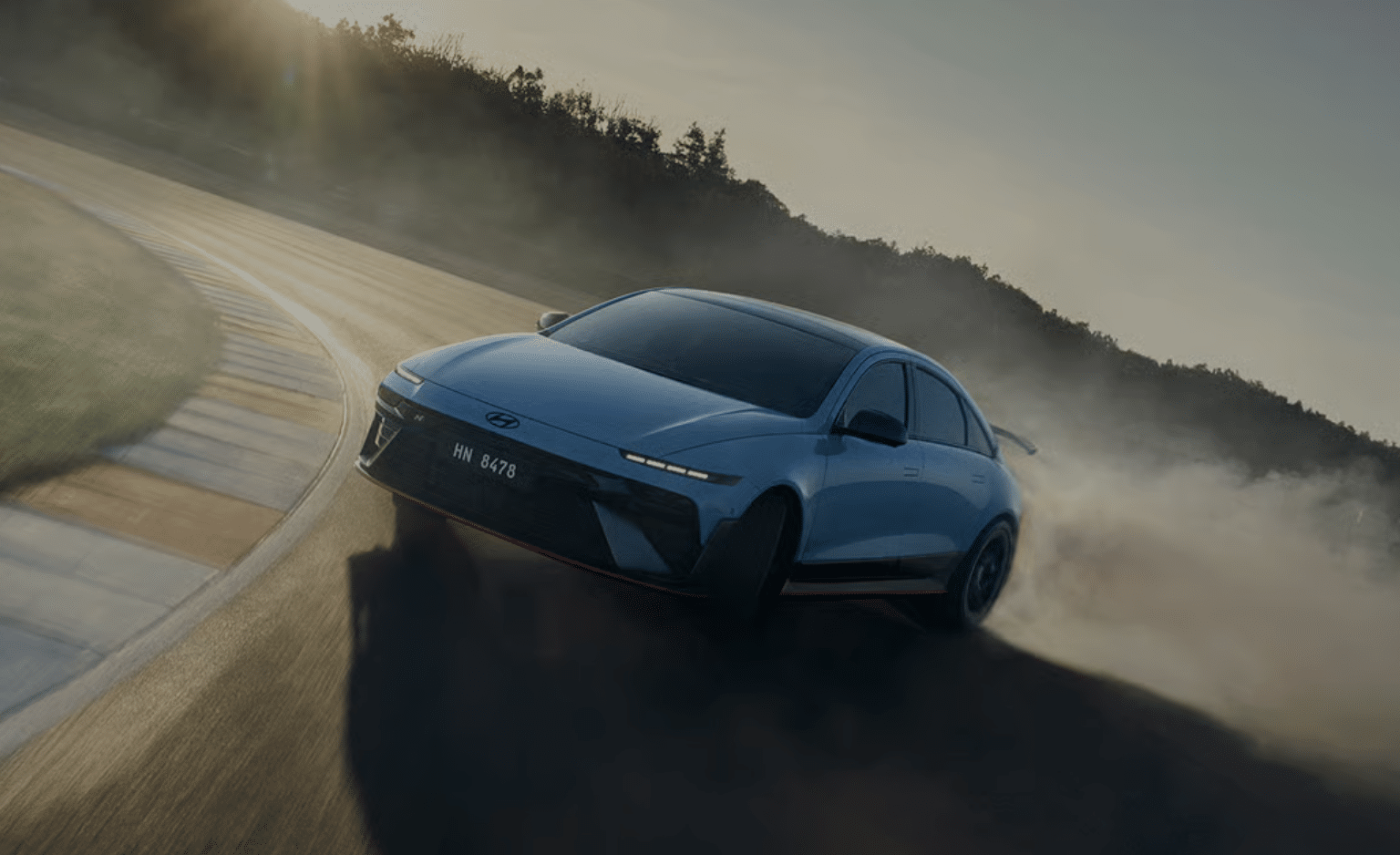
A striking example of modern automotive engineering is the Hyundai Ioniq 6 N, showcased in an exhilarating video featuring Randy Pobst navigating the challenges of the Goodwood Hillclimb. This electric vehicle (EV) is not just another entry in the crowded EV market; it’s equipped with a simulated manual transmission that replicates the feel of a traditional sports car, allowing enthusiasts to enjoy a thrilling driving experience without the emissions associated with internal combustion engines (ICE).
The excitement of watching Pobst maneuver the Ioniq 6 N, complete with a crafted artificial engine sound that echoes the experience of many gas-powered vehicles, raises a fascinating question: Is this technology advanced enough to confuse someone unfamiliar with electric vehicles?
Sound Engineering: The Ioniq 6 N’s Unique Features
The Hyundai Ioniq 6 N is designed to engage drivers on multiple levels. The vehicle’s faux engine sounds, coupled with an effective paddle-shift system, provide an auditory delight that mimics a typical driving experience. Many automotive journalists and testers who have driven the Ioniq 6 N report positive experiences, praising its dynamic capabilities and features that evoke the spirit of traditional sports cars.
This vehicle accomplishes an impressive feat—not only does it offer rapid acceleration and agile handling, but it also cultivates a sense of nostalgia for drivers accustomed to the visceral feedback of gasoline engines.
Can the Uninitiated Be Fooled?
If a driver who has never set foot in an electric vehicle were to experience the Ioniq 6 N, could they be misled into believing they were in a conventional car? Interestingly, in a world rife with technological advancements, the answer leans toward affirmative. The combination of enhancements in sound and shifting dynamics could indeed create a convincing facade for those lacking automotive knowledge.
This blurring of lines between EVs and traditional vehicles illustrates a significant shift in the automotive landscape—a transformation driven by technological innovation rather than a compromise in experience.
Engaging the Community: Inviting Opinions
While the notion that someone could mistake an electric vehicle for an ICE may seem trivial, it opens the floor to essential discussions within the community. It’s important to hear the diverse opinions of enthusiasts, casual motorists, and even those indifferent to car culture.
As we ponder this question, it becomes clear that our understanding of cars is constantly evolving. The Ioniq 6 N stands as a testament to how innovative design can challenge our perceptions and foster conversations about the future of automotive technology.
Readers and automotive fans are encouraged to share their thoughts in the comments. How does the transformation of sound and performance in electric vehicles impact your driving experience? Could a vehicle like the Ioniq 6 N redefine your expectations of what an EV can offer?
Final Thoughts
In sum, the Hyundai Ioniq 6 N exemplifies how modern technology can merge the experience of driving with the promise of sustainability. It represents a stepping stone into an era where traditional perceptions of vehicles may be delightfully disrupted. As discussions continue, it’s clear that engaging with diverse views is essential in understanding the evolving automotive world.
Image Source: Hyundai-n.com