








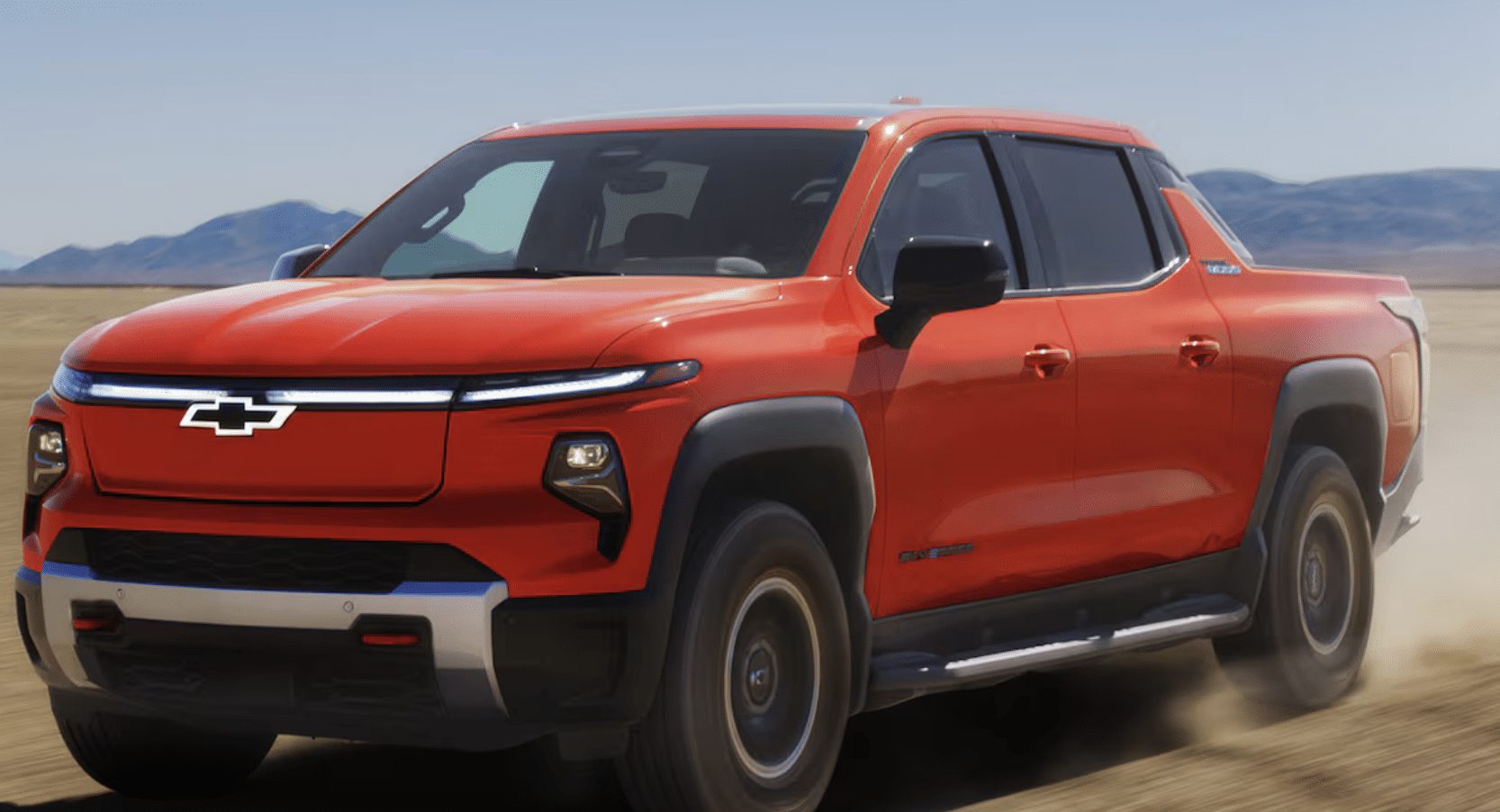
Electric vehicles (EVs) have long faced skepticism, primarily due to concerns around range anxiety. However, a recent initiative by General Motors (GM) demonstrates that EV performance can significantly depend on driving strategies and conditions. This experiment not only highlights what is possible with advanced planning and teamwork but also emphasizes a renewed passion for innovative solutions in the EV arena.
An Impressive Feat by GM Engineers
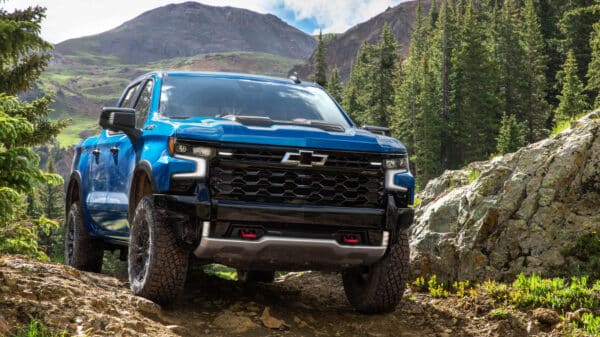
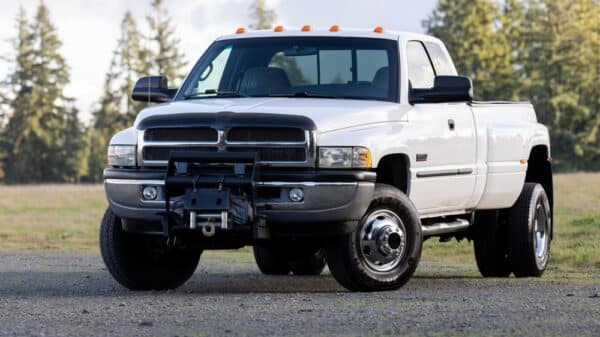
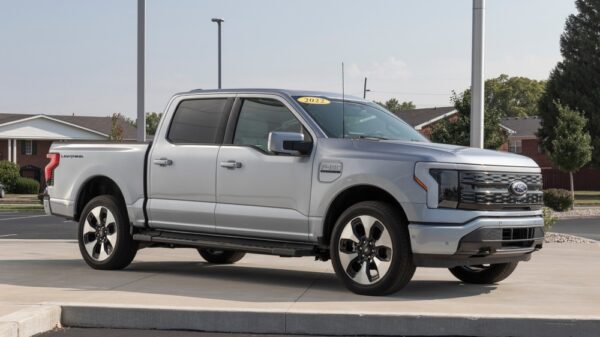
In an extraordinary team-building exercise, a group of 40 engineers managed to drive a GM truck over 1,059 miles on a single charge—far exceeding the EPA rating of just 493 miles. While this performance was not aimed at breaking records, it reveals the potential for EVs when operated under optimized conditions. Lucid currently holds the Guinness World Record for the longest range at 749 miles, yet GM’s accomplishment may resonate more profoundly with everyday drivers looking for tangible solutions to their range concerns.
Strategies for Maximizing Range
Achieving such an impressive mileage wasn’t merely a stroke of luck; it involved a comprehensive strategy that includes rigorous preparation and specific driving techniques. The engineers employed hypermiling tactics, which are often regarded as best practices for enhancing fuel economy. Here are some key methods used during the experiment:
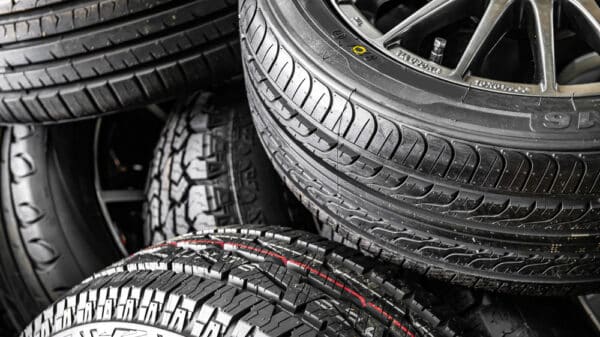
– Tire Management: All tires were inflated to their maximum safe pressures, reducing rolling resistance and enhancing efficiency.
– Weight Reduction: The team removed extra weight by taking out the spare wheel and tire. This decision minimized the load carried by the vehicle, allowing for better range.
– Drag Reduction: Windshield wipers were adjusted to their lowest positions to cut down on aerodynamic drag.
– Minimal Air Conditioning: On purpose, the engineers avoided using air conditioning during the drive, further contributing to energy conservation.
The Role of Driving Strategies
While the preparations were meticulous, the driving strategy was equally critical. The team concentrated on maintaining speeds around 20 to 25 mph, a pace that is far below typical commuter speeds. They chose specific locations—mainly around their development facility in Milford, Michigan, and the nearby Belle Isle park roads—to suit their driving needs. These routes allowed for relaxed speed limits and reduced the risk of running into heavy traffic.
To maintain their low speed objective, they drove during off-peak hours and selected less congested routes whenever possible. However, they had to adapt when traffic conditions required them to keep pace with faster-moving vehicles, prioritizing safety above all else.
Passion Projects in a Competitive Landscape
Though this experiment may not immediately alter perceptions about electric vehicles, it does showcase an undeniable passion among GM engineers—an admirable trait in an industry often criticized for producing uninspired electric models. Engaging in such initiatives inspires a sense of camaraderie and may encourage other automakers to explore competitive challenges, ultimately benefiting consumers with more innovative offerings.
Looking Forward: The Future of EVs
As the EV market continues to evolve, GM’s experiment serves as a reminder that the technology’s potential can be realized through thoughtful planning and creative problem-solving. This could encourage manufacturers and consumers alike to reconsider the capabilities of electric vehicles, while also fostering an atmosphere of healthy competition in the industry. With growing advancements in battery technology and an increasing focus on sustainability, the future for electric vehicles looks increasingly promising.
Image Source: Chevrolet.com