








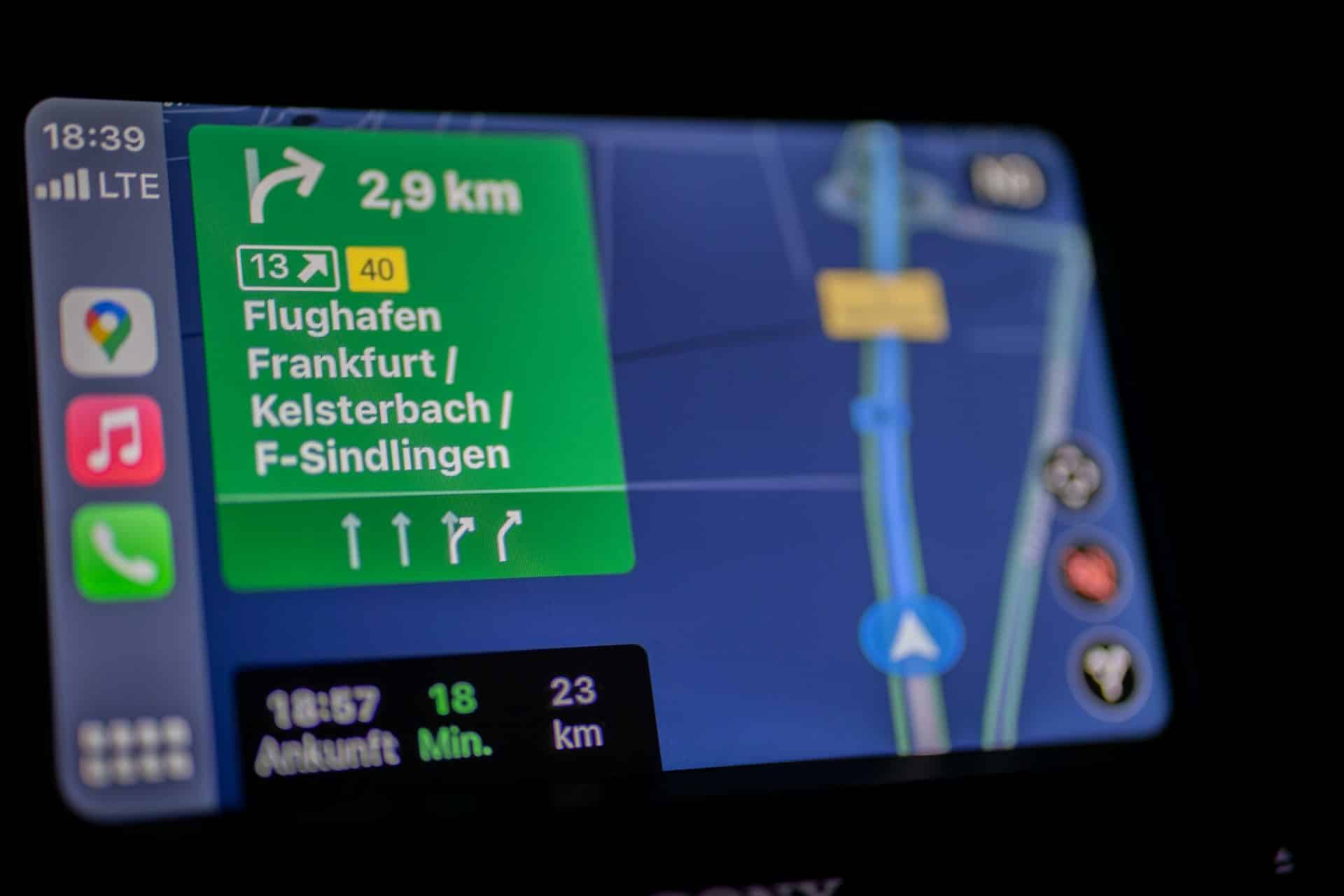
The Absence of Apple CarPlay and Android Auto in GM’s EVs: A Closer Look
In recent discussions surrounding General Motors (GM) and its lineup of electric vehicles (EVs), one glaring concern has emerged: the omission of Apple CarPlay and Android Auto. This decision has left many potential buyers scratching their heads, especially as these smartphone integration systems have become essential for modern drivers.
The Rationale Behind GM’s Infotainment Strategy
Confident in its choice, GM maintains that for the best user experience, drivers should exclusively utilize the company’s proprietary software. Executives argue that this approach allows for an integrated experience that relies on real-time data for navigation, range projections, and optimized charging routes. While this focus on a cohesive driving experience is commendable, it raises questions about the actual user needs and preferences—especially since many drivers rely on their smartphones not as distractions, but as indispensable tools for navigation and entertainment.
Moreover, there’s a financial side to this strategy that cannot be overlooked. When the initial trial period for vehicle data services ends, GM stands to profit from subscriptions for various data services. This business model brings to mind the approach taken by several other manufacturers who have embraced in-car subscriptions for premium features.
A Discrepancy in Global Offerings
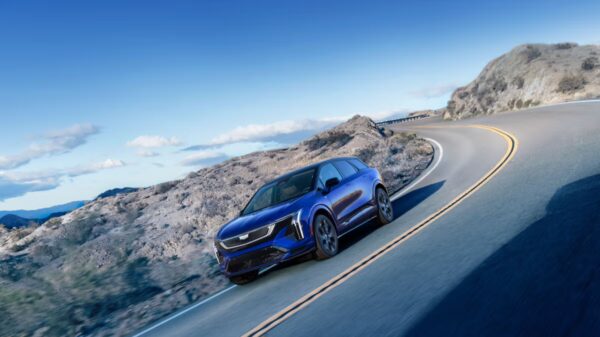
Interestingly, while U.S. buyers face these limitations, Cadillac EV customers in Australia and New Zealand will enjoy access to smartphone projection features. A GM representative confirmed that models like the Cadillac Lyriq and Optiq will offer wireless Apple CarPlay and Android Auto—a significant convenience that American consumers currently miss out on. This inconsistency hints at a possible divide in consumer experiences based on geography, leading many U.S. drivers to feel excluded from modern automotive technology.
When questioned about potential shifts in their North American strategy, GM’s response reiterated their commitment to their native infotainment platform. This suggests that the absence of widely accepted smartphone integration features in American vehicles might persist for some time.
Are Convenience and Integration Being Overlooked?
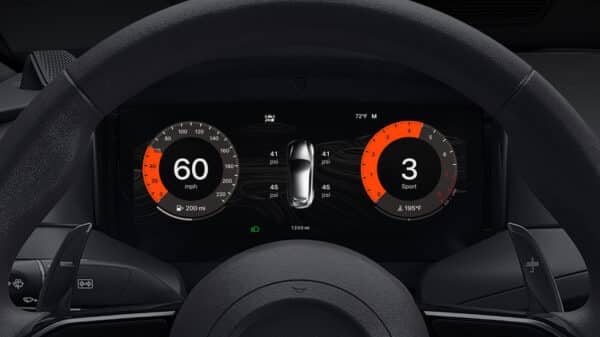
Critics have raised valid concerns about GM’s steadfast position. Writer Jason Torchinsky noted that while the intention to create a “seamless” driving experience is admirable, GM may have misjudged what features truly resonate with drivers. For example, many EV users value the ability to effortlessly switch between navigation apps, music, and podcasts—a capability that’s hampered by the current user interface in GM’s vehicles, often described as dated and cumbersome.
Reflecting on personal experiences, the challenge of navigating GM’s basic infotainment system can be frustrating. Drivers expect smooth interactions, much like those offered by smartphones. When an user interface resembles a relic from the early 2000s, it significantly detracts from the driving experience, which is supposed to be enjoyable and intuitive.
The Broader Context: Technological Evolution in the Automotive Industry
As the market for EVs continues to grow, consumers have begun to expect a higher level of technological integration. The Chevrolet Equinox EV, for instance, aims to strike a balance between modern tech and a user-friendly interface with its All Apps menu, designed to help drivers stay connected while focusing on the road. Yet, the challenge remains: how will traditional automakers adapt to the rapid changes occurring in digital technology while ensuring that the driving experience remains central?
While some brands, like BMW and Mercedes, have begun leveraging software-locked features as profit centers, GM’s slower approach might reflect a desire to build trust with consumers. However, the balance of steering clear of excessive monetization while offering useful applications remains delicate.
Conclusion: Navigating the Future of In-Car Technology
As digital and physical lives converge, the integration of user-friendly technology in vehicles like the Equinox EV is essential. The lack of Apple CarPlay and Android Auto not only impacts the usability of these vehicles but also creates a divide in consumer satisfaction. For GM to maintain its competitive edge, focusing on consumer preferences and adapting to the shifting landscape will be vital.
Ultimately, the goal remains clear: vehicles should not only provide reliable transportation but also seamlessly connect with our increasingly digital lives. Balancing these needs will be the key challenge for GM and other manufacturers as they navigate the next phase of automotive evolution.
Image Source: Unsplash