













For over a decade, the automotive industry has buzzed with discussions about the potential of electric vehicles (EVs). While the concept of the “skateboard” chassis—where an EV is built on a structural battery deck that can accommodate various vehicle types—has been around, few manufacturers have successfully harnessed this flexibility. Ford appears ready to change the game by launching a robust strategy that prioritizes cost-effective and diverse electric transportation options.
Ford’s Radical Production Strategy
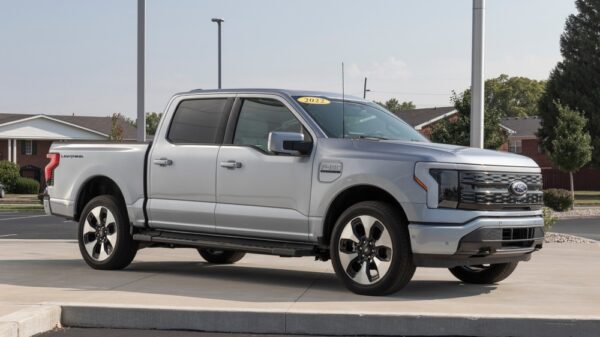
Recently, Ford unveiled an ambitious plan to revamp its car assembly process with the Ford Universal EV Platform and Ford Universal EV Production System. These initiatives aim not only to boost Ford’s electric lineup but also to make electric trucks and cars more accessible, with a notable mention of a potential “affordable electric truck” priced around $30,000. This move signals a pivotal shift towards creating an expansive lineup of vehicles, ranging from sedans to trucks, all manufactured using a unified production process.
An Innovative Manufacturing Approach
What sets Ford’s strategy apart is its plan to build vehicles in three parallel processes: the skateboard chassis, front assembly, and rear assembly. This modular approach may better streamline production, allowing Ford to create a variety of vehicle classes without modifying its assembly lines extensively. This could lead to reduced production costs and potentially enhance profit margins, while simultaneously expanding consumer choices in the electric vehicle market.
Lessons from the Past
It’s essential to note that only a few months ago, Ford had scrapped its next-gen electrical architecture initiatives in favor of integrating existing systems. Instead of starting from scratch, Ford strategically opted to incorporate elements from previous designs, enabling over-the-air updates at a lower cost. This pivot exemplifies Ford’s commitment to innovation while maintaining operational efficiency.
Emphasis on Efficiency and Sustainability
Ford’s plans are supported by advancements in casting technology, which promise quicker production times for a greater variety of vehicle styles. In an industry where weight reduction can significantly impact performance and efficiency, the announcement of a wiring harness that is 4,000 feet shorter and lighter than its predecessor marks a significant step toward sustainable manufacturing practices.
A Competitive Edge
While platform sharing isn’t new—with companies like Volkswagen already leveraging shared architectures—Ford’s unique approach may provide it with an edge. They have a history of producing diverse and engaging vehicle variants, such as the Raptor and Mustang GT, indicating their potential to maximize the versatility of the new electric platform.
Looking Forward
Ford’s renewed dedication to offering affordable and diverse electric vehicles is promising for the market’s future. Should they succeed, this could very well reshape consumer perceptions of electric cars, making them not just an environmentally-friendly option but also an appealing one.
As the automotive landscape continues to evolve, Ford’s innovative methods may set the standard for the industry, delivering unique and varied options for consumers in the years to come. The future looks bright, and Ford may be on the cusp of leading a significant change in the electric vehicle sector.
Image Source: Jonathan Weiss @ Instagram