



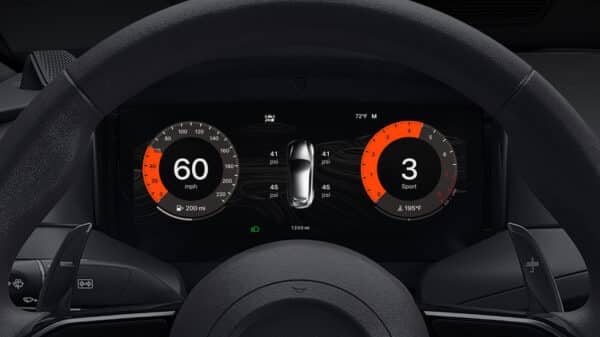

If everything unfolds as expected, we’re on the brink of witnessing Ferrari’s first-ever fully electric vehicle (EV) later this fall. It promises to be an exciting milestone for the legendary brand, yet it’s also worth noting that the rollout for their second EV has been pushed back to 2028. Initially slated for late next year, this second EV is particularly significant—a true series production model aimed at a wider audience, as opposed to the first model, which is designed to be more exclusive and produced in limited quantities. A recent report from Reuters highlighted that this delay stems from a startling sentiment: demand for an all-electric Ferrari, at least for now, sits at “zero,” according to unnamed sources close to the situation.
Ferrari is slowing down its electrification journey, a move not uncommon in the luxury segment as other car manufacturers have already saturated the market with budget-friendly electric options. While the model debuting this year is certainly a step forward, Ferrari views it as more of a symbolic entry into the crowded high-performance EV arena. Sources describe it as “atypical” for the brand, pointing out that this car will be larger than typical Ferraris but conveniently stops short of being classified as an SUV. With its limited production run, it’s clear that this vehicle won’t replace any staples from the existing lineup.
The buzz surrounding the second EV is palpable, as it was originally projected to cater to a more mainstream market, if such a concept exists in the world of Ferrari. Estimates indicated that the company aimed to produce between 5,000 and 6,000 units over five years. This model holds special significance for Ferrari, but with the apparent lack of enthusiasm from its core customer base, sustaining such a production volume presents a daunting challenge.
On the flip side, the postponement offers Ferrari a silver lining—they now have additional time to perfect this vehicle, which could prove advantageous, especially given the stakes involved. Their discretion in keeping details under wraps contrasts with how Lamborghini has approached the launch of its Lanzador. That model was first revealed nearly two years ago, a full five years ahead of its planned 2028 sales rollout. Like Ferrari’s upcoming car, it is larger than the vast majority of Lamborghinis, except for the Urus, yet it doesn’t fit neatly into the SUV market category either.
Lamborghini benefits from being part of the Volkswagen Group, which means they can utilize established technology that is already robust and well-tested. On the other hand, Ferrari is stepping into the electric realm for the first time, likely wanting to ensure that their premier EV makes a strong impression. After all, the debut is pivotal—the first taste of what Ferrari can deliver in the electric future shouldn’t just meet expectations; it should exceed them. As enthusiasts, we’ll be watching closely, eager to see how this iconic brand navigates the challenges and opportunities that lay ahead in the world of electric vehicles.
Image Source: hamdi bendali / Shutterstock