
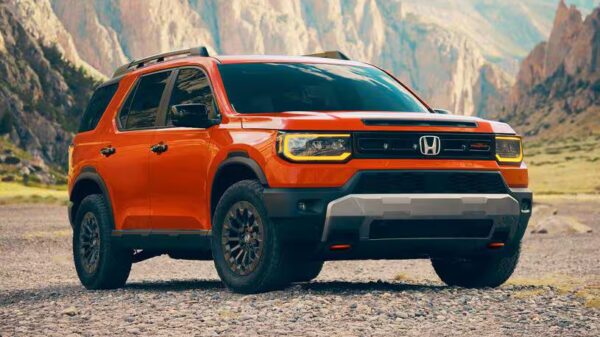
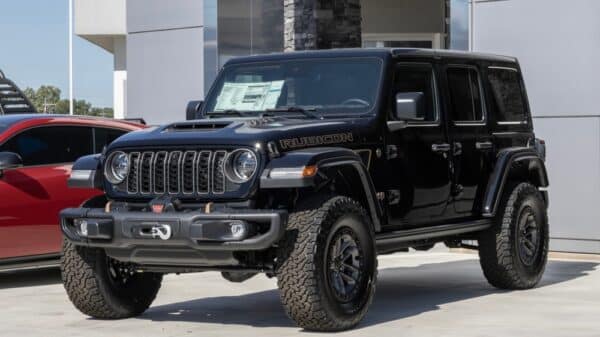

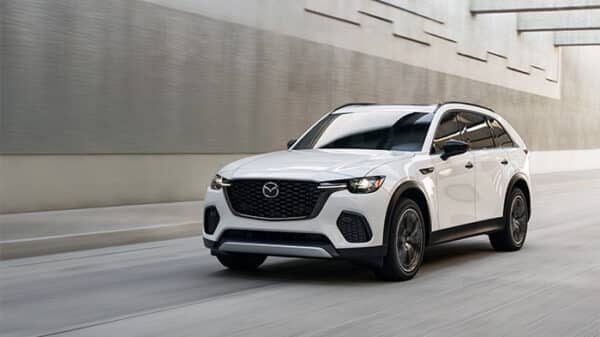

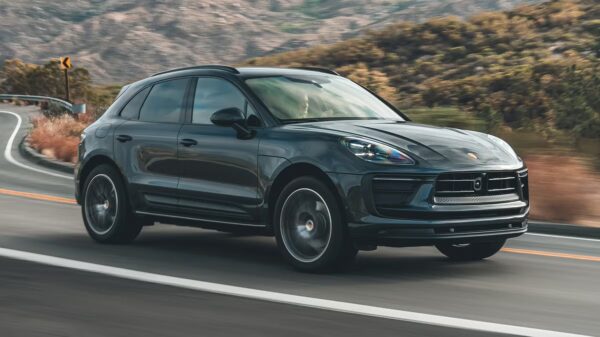









They’re all about that base, ’bout that base—all models. At last week’s NADA (National Automobile Dealers Association) Show, the buzz was clear: “Lower-priced cars are coming.” For those of us cringing at skyrocketing prices, this is music to our ears. However, let’s keep things in perspective; cheaper doesn’t always equate to thrilling.
According to **Automotive News**, several carmakers, including Ford, Mini, Mitsubishi, and Ram, are set to introduce new base trims for their existing crossovers and trucks, effectively lowering the starting MSRPs. Even Tesla is reportedly on the verge of launching more accessible options, likely variations of the Model 3 and Model Y, as noted by **Autocar**. But let’s be real—will those lower prices genuinely materialize anytime soon? It’s hard to shake the feeling that we might be waiting a while, especially given today’s inflationary pressures.
The trend isn’t necessarily new. General Motors and Volkswagen have already capitalized on their lower-cost models, achieving remarkable sales, while Stellantis recently reintroduced an affordable minivan. It seems like the industry is finally catching on to the need for budget-friendly options.
Now, if you were hoping for the revival of rock-bottom options like the Mitsubishi Mirage or Nissan Versa—vehicles that cost less than $20K—you might be left disappointed. Just because car manufacturers are tweaking existing models or adjusting prices doesn’t mean they’ll suddenly start pumping out vehicles with low profit margins, like smaller sedans that cater to that far-reaching price point.
Let’s face it: crossovers reign supreme nowadays. Take the Buick Encore GX and Envista—their sales have skyrocketed, while Chevrolet’s redesigned Trax has made a big splash, ranking as one of its best-selling vehicles. Yet, even the Chevy Trax, starting at $21,495, is pricier than the base Malibu, which hangs around the $26,995 mark. You’ll also find the Trailblazer and Equinox among Chevy’s offerings that dip under that $30,000 threshold.
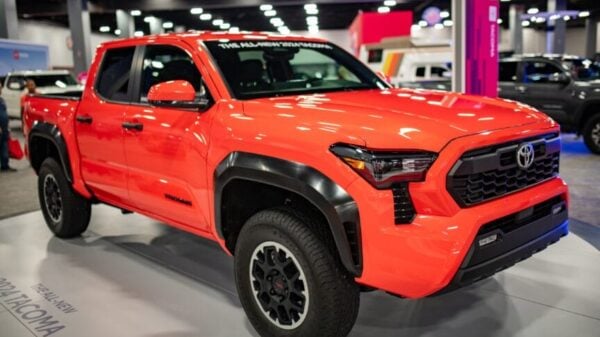
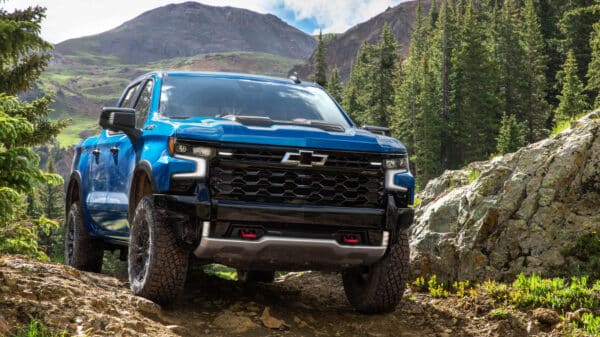
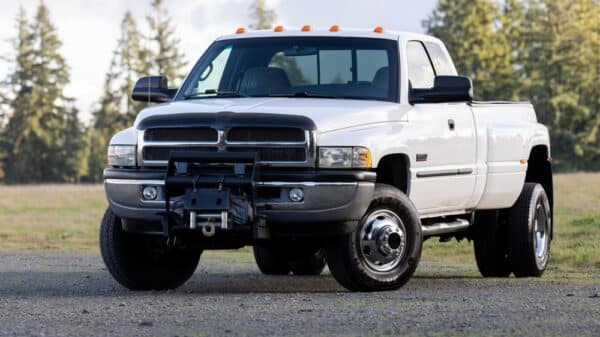
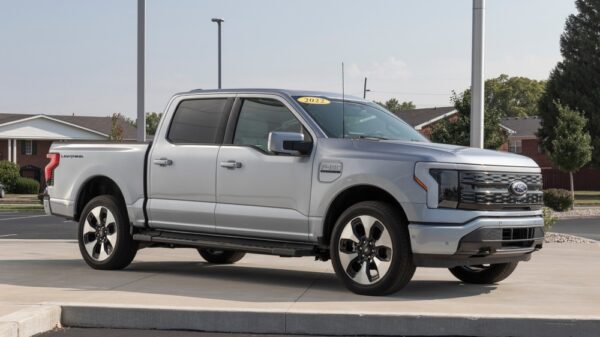
Looking to the future, there’s potential for affordable Chevy trucks too. Ram is reportedly aiming to introduce lower-priced 1500 trims, while Ford is gearing up for a midsize electric truck. This follows their decision to roll out more affordable trims of the F-150 STX, which sits nearly 40% below the premier Platinum edition.
Now, for a little behind-the-scenes insight: the NADA Show may lack the flash of SEMA, but it’s where serious plans are discussed, having been a staple in the automotive calendar since 1917.
Rob Kaffl, Ford’s U.S. sales director, highlighted that these lower-priced trims might also cater to specific regional needs. For instance, hybrid options for Florida and 4×2 models with robust towing capacities for Texas. Plus, the base Bronco is returning for 2025, along with more budget-friendly versions of the Bronco Sport and Maverick.
“The insights from our dealers have opened our eyes to opportunities we hadn’t fully recognized,” Kaffl remarked.
Still, we can’t ignore the harsh reality: new vehicles are still feeling way too hefty on both the price tag and size front. As of December, the average price for new vehicles shot up to $49,740, according to **Kelley Blue Book**. This brings us painfully close to an all-time high! Monthly loan payments crept to an average of $756, although they dipped to $734 come January. So, while there’s a glimmer of hope in these lower-priced models, the automotive world still has a long way to go in making cars genuinely affordable for everyday folks. If only NADA could work some magic on those skyrocketing egg prices, too!
Image Source: Unsplash